Why Choosing a Tea House Trek Gets Confusing
Every trekking blog ranks the same five or six routes and describes each one as unforgettable. That does not help you choose. The real differences between Nepal's tea house treks are practical: how many hours you walk each day, how warm the room is at 4,000m, and how much a hot shower costs once you are three days from the nearest road.
Regulations also change more often than most content accounts for. Langtang National Park has required a licensed guide for every trekker since February 17, 2025. Manaslu removed its two-person minimum for restricted area permits on March 22, 2023, which opened the route to solo trekkers for the first time, though a licensed guide is still mandatory at every checkpoint. Madcap Adventure's guides carry Nepal Government licenses on every route covered on this page, so these changes are built into current departures rather than left for you to catch separately. If a page you are reading does not mention either of these, it is out of date.
How Tea House Standard Changes With Altitude
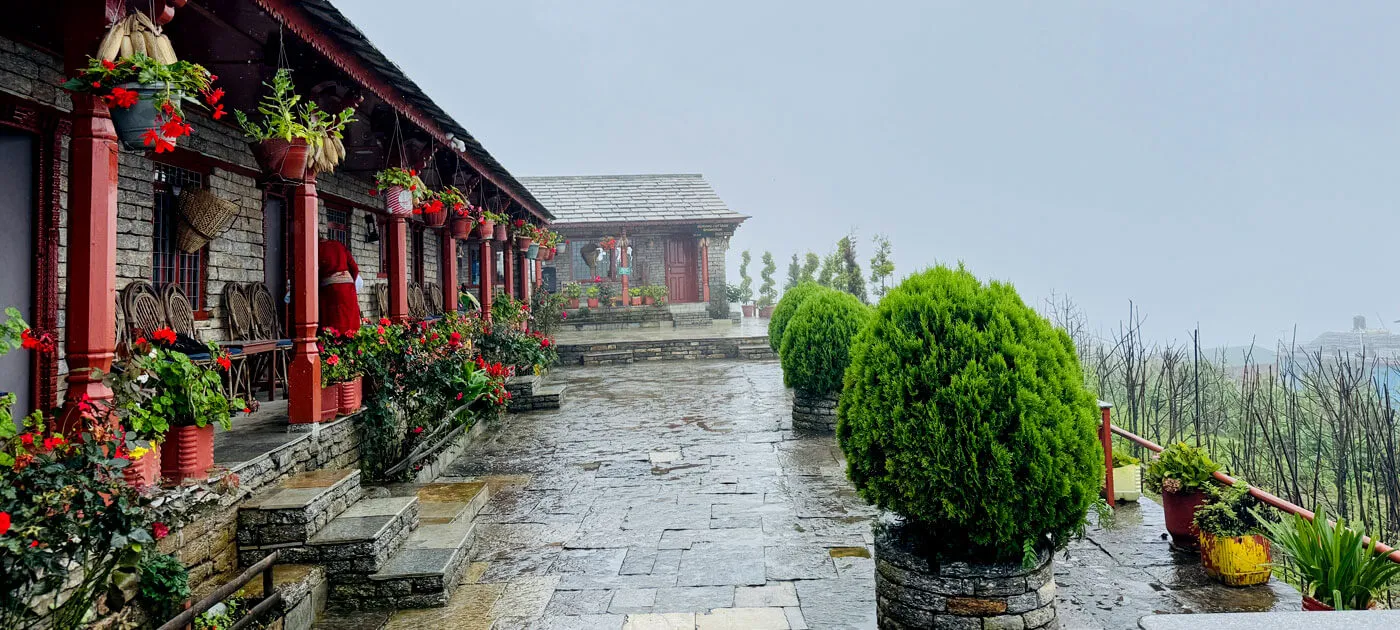
A tea house is a family-run lodge that provides a room and meals, usually for a low room rate that assumes you eat dinner and breakfast there. Below 3,000m, most tea houses on the popular routes have attached bathrooms, solar hot showers, and a wider food menu that can include pizza or momos. Above 3,500m, expect shared bathrooms, squat toilets, no heating outside the dining hall, and a menu that narrows to dal bhat, noodles, and porridge.
Extras are billed separately from the room almost everywhere. Charging a phone, buying a hot shower, and drinking boiled water instead of buying bottled water all cost more the higher you climb, since everything above the last road head is carried in by porter or mule. Need to confirm: current per-item charges for charging, wifi, and hot showers on each route, since these are set locally and change by season.
What Moves the Difficulty and Cost on Any Tea House Trek
Four things change the difficulty and daily cost on every route in this guide, regardless of which region you choose. Group size changes the price per person, since guide and porter costs split across the group. Season changes both comfort and crowding, with October and November bringing clear skies and full teahouses, while a shoulder month like early December or late April brings quieter trails.
Room type matters above 3,500m, where private rooms often run out first and you may be offered a shared room instead. Booking timing affects locked-in pricing, since operators that guarantee no price increase after deposit protect you from permit fee changes that happen mid-year.
Best Tea House Trek in Nepal by Region
Nepal's tea house treks group naturally into four regions. Each region has its own access route, its own permit, and its own ladder of treks from easy to hard, so picking the region first narrows the decision faster than comparing thirteen routes at once.
Everest Region Tea House Treks
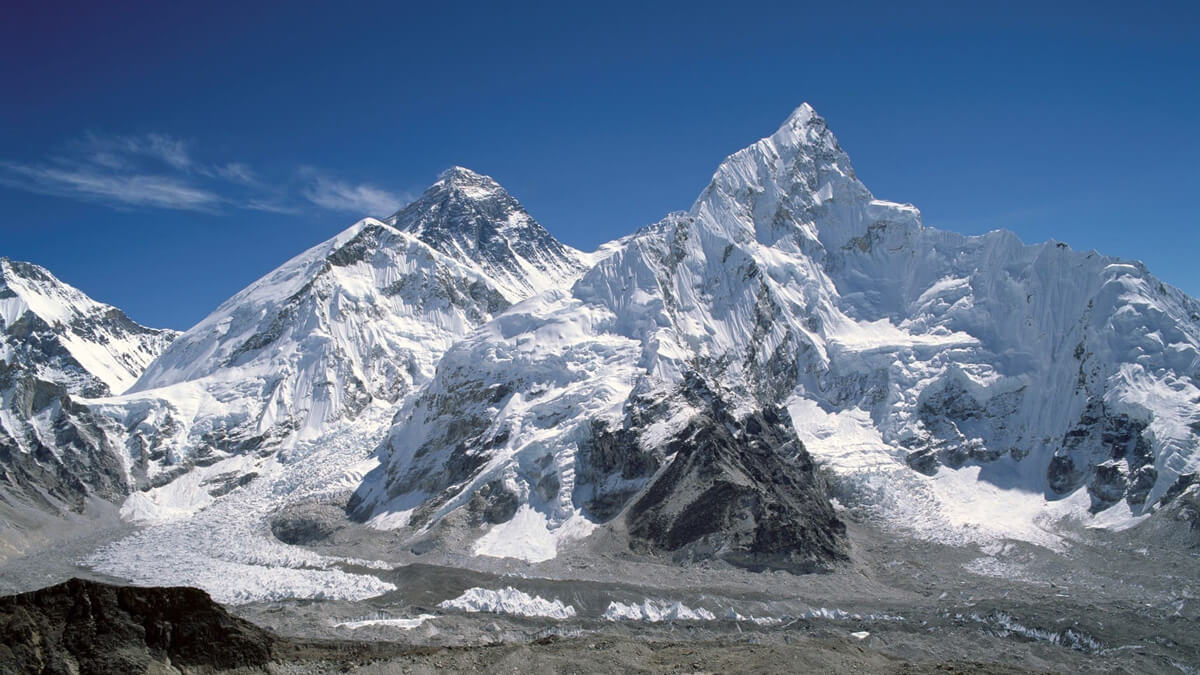
Everest region treks start with a flight to Lukla from Kathmandu or Ramechhap, which adds a weather-dependent day on each end of your trip. Tea houses here are the most developed in Nepal, a result of five decades of trekking tourism through the Khumbu. Namche Bazaar functions as the region's hub, with better food, wifi, and gear shops than anywhere else on a Nepal tea house route.
Everest Panorama Trek
- Duration: 9 days
- Maximum altitude: around 3,860m near Tengboche
- Difficulty: Easy to moderate
- Best season: year-round outside the summer monsoon.
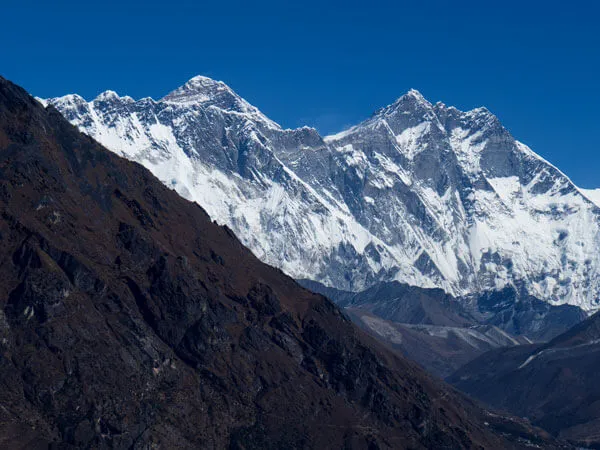
This is the region's entry point: enough altitude to see Everest, Ama Dablam, and Lhotse without committing to two full weeks. Suits first-timers with a short window who still want a real Khumbu experience.
Everest Base Camp Trek
- Duration: 14 days
- Maximum altitude: 5,364m at base camp, 5,545m if you add Kala Patthar
- Difficulty: Moderate to hard
- Best season: March to May and September to November
The signature route of the region, walking through Namche Bazaar, Tengboche Monastery, and Dingboche before reaching the base of the world's highest mountain. Skip it if your dates cannot absorb a Lukla flight delay.
Gokyo Lakes Trek
- Duration: 13 days
- Maximum altitude: 5,357m at Gokyo Ri
- Difficulty: Moderate to hard
- Best season: March to May and September to November
Follows a quieter western valley to a chain of turquoise glacial lakes, with fewer trekkers than the base camp trail and comparable views of Everest from Gokyo Ri.
Everest Three Passes Trek
- Duration: 20 days
- Maximum altitude: 5,535m at Kongma La
- Difficulty: Hard
- Best season: March to May and October to November
Combines base camp, Gokyo, and three high passes into one loop. Suited to trekkers who have already completed a Himalayan trek above 5,000m. Skip it if this would be your first high-altitude trip.
Annapurna Region Tea House Treks
Annapurna region treks mostly start by road from Pokhara, which keeps costs lower and removes the flight-delay risk that affects the Everest region. The Annapurna Conservation Area covers all four routes below, and tea house density here is the highest in Nepal, a legacy of the original Annapurna Circuit trail built in the 1960s and 1970s.
Ghorepani Poon Hill Trek
- Duration: 7 days
- Maximum altitude: 3,210m at Poon Hill
- Difficulty: Easy
- Best season: October to November and March to April
The shortest widely recommended teahouse trek in Nepal, built around a pre-dawn viewpoint over Annapurna and Dhaulagiri. A common first trek for travelers testing whether multi-day walking suits them.
Mardi Himal Trek
- Duration: 9 days
- Maximum altitude: around 4,500m at Mardi Himal Base Camp
- Difficulty: Moderate
- Best season: October to November and March to May
A narrower, less developed ridge trail than Poon Hill, with a steeper final push and a closer view of Machapuchare. A reasonable next step after Poon Hill.
Annapurna Base Camp Trek
- Duration: 10 days
- Maximum altitude: 4,130m
- Difficulty: Moderate
- Best season: October to November and March to May
Ends inside a natural amphitheater of peaks over 7,000m, with tea houses along the entire route. The most complete Annapurna region trek that most trekkers can finish in under two weeks.
Annapurna Circuit Trek
- Duration: 16 days
- Maximum altitude: 5,416m at Thorong La
- Difficulty: Hard
- Best season: October to November and March to April
Crosses from the lush Marsyangdi valley to the high desert of the Mustang region in one trip. Skip it if Annapurna Base Camp would already be your first trek above 4,000m.
Langtang Region Tea House Treks
Langtang region treks start by road from Kathmandu to Syabrubesi, the shortest drive-in access of any major tea house region. Every trekker in Langtang National Park has needed a licensed guide since February 17, 2025. Tea houses here were largely rebuilt after the 2015 earthquake and now run to a solid mid-range standard.
Tamang Heritage Trek
- Duration: 13 days
- Maximum altitude: around 3,650m near Nagthali
- Difficulty: Easy to moderate
- Best season: year-round outside the monsoon
Focused on Tamang villages and hot springs rather than high mountain passes, with a cultural focus that the other three Langtang routes do not share.
Langtang Valley Trek
- Duration: 10 days
- Maximum altitude: 4,773m at Kyanjin Ri, with an optional extension to Tserko Ri at 4,984m
- Difficulty: Moderate
- Best season: March to May and October to November
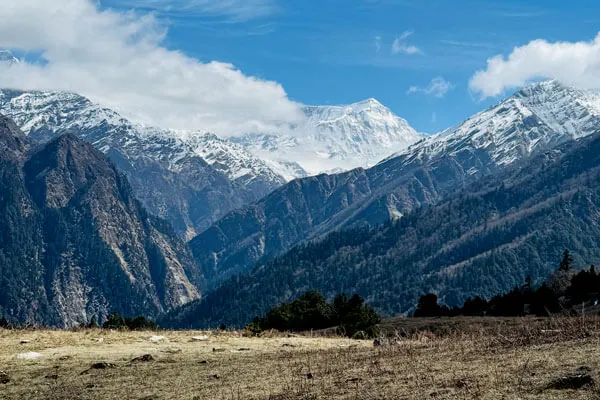
The classic Langtang route, following the Langtang River up to glacier views below Langtang Lirung. Fewer trekkers than Everest or Annapurna on a comparable timeline.
Short Gosaikunda Trek
- Duration: 3 days
- Maximum altitude: 4,380m at Gosaikunda Lake
- Difficulty: Moderate
- Best season: March to May and October to November, with a spike in Hindu and Buddhist pilgrims around the Janai Purnima festival in August.
A sacred alpine lake trek that can stand alone or connect into the longer Langtang Gosaikunda route below.
Langtang Gosaikunda Trek
- Duration: 13 days
- Maximum altitude: 4,610m at Laurebina La
- Difficulty: Moderate to hard
- Best season: March to May and October to November
Combines the Langtang Valley and Gosaikunda Lake into one crossing, suited to trekkers who have finished a shorter trek and want a longer regional loop.
Manaslu Region Tea House Treks
Manaslu region treks start by road from Kathmandu to Soti Khola or Machha Khola. This is a restricted area, which means a licensed guide is required for every trekker at every checkpoint, and tea houses are the most basic of the four regions above Samagaon. Solo trekking became legally possible here on March 22, 2026, when the two-person minimum on the Manaslu Restricted Area Permit was removed.
Manaslu Circuit Trek
- Duration: 14 days
- Maximum altitude: 5,106m at Larkya La
- Difficulty: Hard
- Best season: September to November
Loops around the eighth-highest mountain in the world through the Budhi Gandaki valley, with noticeably fewer trekkers than any Annapurna or Everest route at a comparable altitude.
Manaslu Tsum Valley Trek
- Duration: 20 days
- Maximum altitude: approximately 3,700m to 4,800m depending on how far into the upper valley you go
- Difficulty: Moderate to hard
- Best season: September to November and March to May
A side valley closed to trekkers until 2008, with Tibetan Buddhist monasteries at Mu Gompa and Rachen Gompa rather than a high mountain pass as the trip's focus.
Manaslu Circuit and Tsum Valley Combined Trek
- Duration: 20 to 24 days
- Maximum altitude: 5,106m at Larkya La
- Difficulty: Hard
- Best season: September to November
Links both routes above into one extended trip for trekkers with enough time and prior high-altitude experience to handle three weeks above 3,000m.
Which Region Should You Start With
If you have under a week, start in the Annapurna region with Ghorepani Poon Hill, or the Everest region with the Panorama Trek. If you have seven to twelve days and want your first trek above 4,000m, Annapurna Base Camp or Langtang Valley are the more forgiving options. If you have twelve days or more and have already completed one Himalayan trek, Everest Base Camp, Annapurna Circuit, or Manaslu Circuit each deliver a full high-altitude trip. Manaslu is the region to choose last, after Everest or Annapurna, since its tea houses are more basic and its trail is more remote.