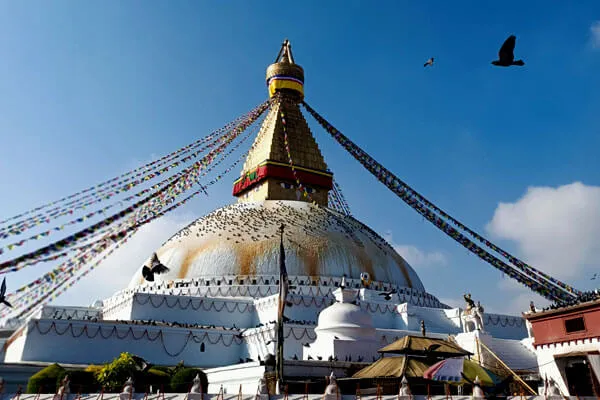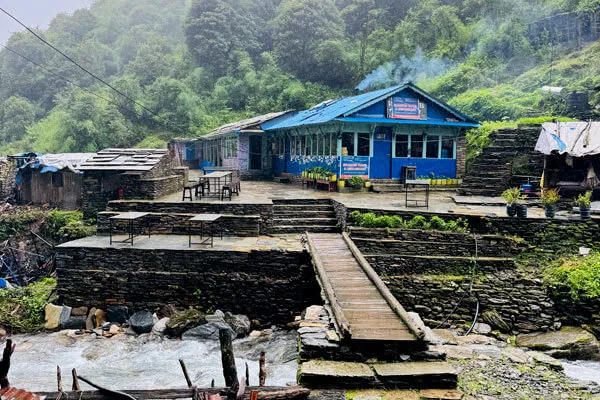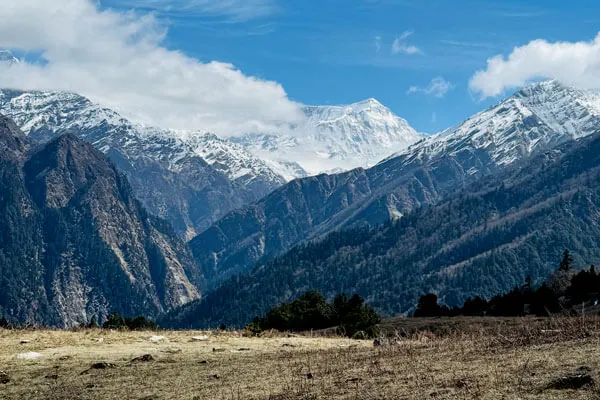

If you had asked most people a decade ago to name the world's best luxury hotel, nobody would have pointed to a 29-suite lodge above a small town in Nepal's Mustang region. Yet that is exactly what happened this year. Shinta Mani Mustang has been named the No. 1 hotel in Robb Report's 50 Greatest Luxury Hotels on Earth 2026, beating out some seriously heavyweight competition to get there.
For a country that has always been known for base camps and mountain passes rather than five-star pillows, this is a strange and wonderful kind of headline.
Who Decides This Stuff, Anyway
Robb Report doesn't just send out a survey and count votes. The list comes from 24 people the magazine calls its Travel Masters, a group of luxury travel advisors whose entire job is designing trips for clients who can afford basically anywhere on earth. Each advisor puts forward a handful of properties, some brand new, some old favorites they keep sending clients back to. The magazine then ranks the top ten globally and sorts the rest by region.
This year the top ten leaned heavily European, with five properties there. Shinta Mani Mustang did not just squeeze into that group. It sat at the very top, ahead of Singita Kwitonda in Rwanda, Hope Lodge in Scotland, and the Park Hyatt Tokyo, the same hotel Bill Murray wandered around in Lost in Translation.
The Backstory Nobody Expects
What most write-ups skip is that this building was not even a hotel to start with. Back in 2017, Nepali architect Prabal Shumsher Thapa built it as a wellness retreat called Moksha Mustang. It sat there quietly until 2022, when Sherpa Hospitality Group teamed up with designer Bill Bensley, the man behind some of Asia's most theatrical hotel projects, to rework the whole thing. It reopened under its current name in August 2023.
Most hotels that reach a Robb Report No. 1 spend a decade or more building that reputation. This one did it in three years, starting from a wellness retreat almost nobody outside Nepal had heard of.
What You're Actually Paying For
The lodge is built from local Baglung stone and positioned so every room frames a view of Nilgiri and Dhaulagiri. Robb Report's write-up called it one of Bensley's "far-flung palaces of fantasy," a description that undersells it once you see the stone catching the light against Dhaulagiri at sunrise.
But the design is not really the whole pitch. What sets this place apart is the programming around it. Every guest sits down with a Tibetan medicine doctor for a one-on-one consultation, and the wellness plan that follows draws on Himalayan herbs and traditional practices rather than a generic spa menu. Beyond that, there is horseback riding, archery, and guided treks through country that genuinely does look like it has been edited for effect. Guests can also visit Lubra, an 800-year-old Bon Buddhist village nearby, and sit down with the resident Amchi for a healing session rooted in centuries-old practice.
None of this is a quick weekend trip. Stays run a minimum of five nights, booked as an all-inclusive package.
What This Means for Nepal's Tourism Brand
Namgyal Sherpa, who runs Sherpa Hospitality Group, did not frame this as just a hotel win. He pointed to how fast the recognition has stacked up: a spot on Robb Report's Best of the Best and 50 Best Luxury Hotels lists in 2024, a Best Luxury Adventure Hotel award in 2025, and now the No. 1 ranking in 2026. In his telling, the credit spreads well beyond the hotel itself, landing on the communities of Mustang and everyone who helped build the place up.
That matters because Nepal's tourism identity has been locked in for decades. Say "Nepal" to most travelers, and they picture trekking poles, teahouses, and Everest Base Camp, not turndown service and a Tibetan doctor on call. This win does not erase that identity. It adds a second one running alongside it, which is a meaningful shift for a tourism economy that has leaned almost entirely on adventure travel.