Tsum Valley Trek

6 reviews in TripAdvisor
10 reviews in Google
Trip Facts
Duration
12 Days
Difficulty Level
Moderate (Grade B)
Maximum Altitude
3700m
Region
Manaslu Region
Starts
Kathmandu
Ends
Kathmandu
Accommodation
Hotel and Teahouse
Meals
Breakfast, Lunch and Dinner
Group Size
1-12
Activities
Trekking
Season
Spring and Autumn

Tsum Valley is one of Nepal's last restricted trekking areas, a Tibetan Buddhist enclave tucked behind the Ganesh Himal massif in the Gorkha district. The 12-day Tsum Valley trek runs from Machha Khola at 890m up through the Budhi Gandaki gorge and into the hidden upper valley, reaching Nile at 3,361m before an early-morning side hike to Mu Gompa, the valley's most sacred monastery.

This is not a high-altitude challenge. The maximum elevation stays well below Everest Base Camp or the Manaslu Circuit. What the route offers instead is five to six days inside a valley where Tibetan language, dress, and religious practice have remained largely unchanged for centuries. Access is restricted, trekker numbers are low by design, and above Lokpa there is no mobile coverage, no ATM, and no road.

Trip Overview

The Tsum Valley Trek is a 12-day restricted-area package that combines two distinct landscapes: the deep Budhi Gandaki gorge in the lower section and one of the most culturally preserved Tibetan Buddhist valleys in the Himalaya above it. The route runs north from Machha Khola (890m) through sub-tropical forest and terraced farmland, then opens into the upper valley above Lokpa (2,240m). Trekkers spend five to six days in Upper Tsum, passing through stone villages, monastery complexes, and high-pasture settlements designed to see low trekker numbers.

The maximum overnight altitude is 3,361m at Nile. A day hike on Day 8 reaches Mu Gompa at approximately 3,700m. This is not a high-altitude route. It suits trekkers who are more interested in cultural depth and trail solitude than elevation records.

Who This Trek Is For and Who Should Skip It

This trek suits you if:

  • You have completed at least one multi-day trek before, anywhere in the world
  • You can comfortably walk 6 to 8 hours on mixed terrain, including narrow gorge trails and stone-stepped ascents
  • You want to see an active Tibetan Buddhist community in its traditional setting, not a cultural display
  • You have 12 days and are happy spending 2 of them in a vehicle on mountain roads
  • You are comfortable with basic tea house conditions: shared squat toilets above Chumling, limited charging options, and a menu that narrows as you go higher
  • You want a restricted-area trek with far fewer trekkers than the Annapurna Circuit or Everest Base Camp

Skip this and consider an alternative if:

  • This is your first multi-day trek. Consider the Langtang Valley Trek (7 to 10 days, same Himalayan setting, better trail infrastructure, and more beginner-friendly logistics).
  • You need a high-altitude summit experience above 5,000m. The Manaslu Circuit with Larkya La Pass (5,106m) or Everest Base Camp (5,364m) gives you that.
  • You have fewer than 10 days and cannot extend. Cutting this trek short removes the entire upper valley, which is why you come here.
  • You have a strong aversion to long mountain road drives. The Kathmandu to Machha Khola journey takes 9 to 10 hours in a shared jeep, and the road is rough in sections.

Trek Highlights

  • Mu Gompa Monastery (approx 3,700m): An active Buddhist monastery perched on a cliff. A 2–3-hour early-morning hike from Chumling on Day 8. Locals worship here; you will see prayer flags, chortens, and monks at dawn rituals.
  • Nile Viewpoint (3,361m): The highest point on this trek. Clear views of Ganesh Himal and Manaslu on cloudless mornings. Reach by 7 am before afternoon clouds build.
  • Budhi Gandaki River Gorge: Days 3–5 follow this river through narrowing canyon walls. The descent into Jagat passes waterfalls and traditional water mills still used by locals.
  • Chumling Village (2,386m): The largest settlement in the valley. Tea houses here have basic electricity and solar charging. A rest point before the push to the Nile.
  • Rhododendron Forest (1,500–2,500m): March and April bloom with pink and white flowers. The forest smells of damp earth and magnolia, especially after rain.
  • Tamang Culture: You will stay in family-run tea houses where the owners speak limited English. Dinners are communal. Conversations happen through a guide translator, making cultural exchange more real than on crowded trails.
  • Isolation: You may see only 5–10 other trekkers per day, even in peak season. Langtang and Annapurna see 100+.
  • Philim Village (1,570m): A traditional Tamang settlement. Day 9 descends through terraced fields and past a schoolhouse. Locals are accustomed to a few trekkers but not crowds.
  • Chhokang Paro (3,031m): A small settlement at high altitude with simple tea houses. Day 6 arrives here after the long climb from Lokpa.
  • The Descent (Days 8–10): The return mirrors the approach but feels faster mentally. Altitude feels easier on descent. Forest views change as you lose elevation.
  • Machha Khola to Kathmandu Drive: The final long drive (9–10 hours) ends in Kathmandu. By evening, you will be showering in a hot hotel, eating pizza if you want it, and processing the week on the trail.

No Acclimatization Itinerary: 12-Day Tsum Valley Trek

This itinerary suits trekkers with previous high-altitude experience who do not need dedicated rest days. The 12-day Tsum Valley Trek reaches a maximum overnight altitude of 3,361m at Nile, which is manageable without a formal acclimatization day if your body has adapted to elevation before.

Completing the trek in 12 days rather than the combined 20-day Manaslu Tsum Valley itinerary also brings the total cost down. Fewer days on trail means fewer nights of accommodation, fewer meals, and a shorter guide and porter hire period. For trekkers with limited time and solid high-altitude experience, this is the more practical option.

The itinerary does not remove acclimatization entirely. It applies the climb-high, sleep-low principle instead. On Day 8, you hike up to Mu Gompa at approximately 3,700m before descending to Chumling at 2,386m for the night. That single day does the work a rest day would otherwise do: your body gets the high-altitude exposure, then recovers overnight at a lower elevation.

You gain altitude gradually across Days 5, 6, and 7, which gives your body time to adjust while you are still moving. Trekkers who have completed routes like the Langtang Valley Trek, Annapurna Circuit, or any route above 3,500m in the past two years are typically good candidates for this format.

Why is Madcap Adventure the best for this 12-day Tsum Valley Trek?

  • Licensed Guides Only: All guides are Nepal Government certified and experienced on this specific route. Madcap requires guides to pass annual refresher training. This matters above 3,000m, where judgment counts.
  • Fixed Pricing Guarantee: Your price is locked the moment you pay a 20% deposit. No hidden fees. No surprise add-ons on the trail.
  • All-Inclusive Meals: Every meal from Day 2 breakfast through Day 11 dinner is included. You do not negotiate with tea house owners or worry about paying meal-by-meal. Your guide orders; Madcap covers it.
  • Experience on This Specific Route: Madcap has been operating Nepal treks since 2004. We have completed this route 40+ times in the past five years. Our guides know which tea houses have water, which villages to avoid during festivals, and which viewpoints clear earliest in the morning.
  • Free Nepal SIM Card: You receive a pre-loaded SIM card with data upon arrival. Call or message home from Kathmandu before departure and from Machha Khola (basic 4G coverage). No roaming fees.
  • 24/7 Kathmandu Office Support: If anything goes wrong on the trail, our office in Kathmandu is staffed round the clock. We have a team ready to arrange evacuation, resupply, or communication with families if needed.
  • Porter Support: If you book a porter (USD 20/day), your guide liaisons with the porter. You do not manage logistics. Gear is carried, leaving you to focus on walking.
  • Early Bird Discounts: Book 6+ months in advance for up to 15% off. Book 3–6 months ahead for up to 10% off. Groups of 4+ qualify for additional discounts. Booking before December 31, 2026, locks in 2026 pricing for any 2027 departure.

What makes Tsum Valley Different from other Trekking Destinations in Nepal?

The Tsumba people are descendants of Tibetan settlers who crossed the Himalaya generations ago, seeking refuge from conflict and famine. The language they speak is Tsombo, shaped by Tibetan but distinct from it. Above Chumling, your guide becomes your only bridge to the people you meet. Older residents in villages like Chumling and Nile still wear traditional Tibetan-style clothing and follow daily rhythms that have changed little over centuries.

Mu Gompa

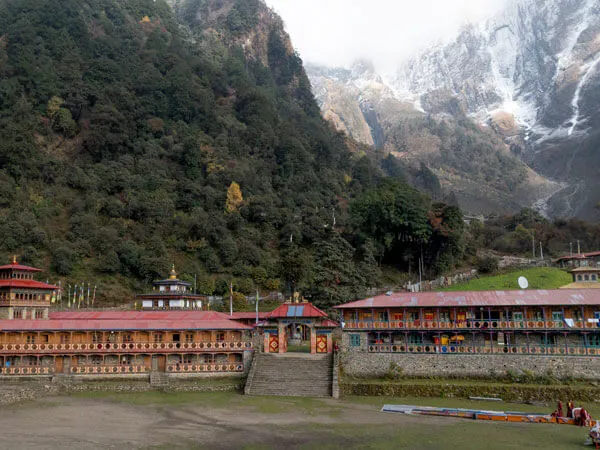
The most significant monastery in the valley sits above the Nile at approximately 3,700m. It houses an active community of monks and contains religious art that draws Buddhist scholars and trekkers alike. Leave before 6 am on Day 8 to reach the viewpoint above the monastery before clouds close the valley from the south. Trekkers who delay the start rarely get a clear view.

If your schedule allows, ask your guide about an overnight stay at the monastery guesthouse before Day 7. A small number of trekkers stay at Mu Gompa rather than descending to Nile, giving you a quieter morning at the site before the descent.

Rachen Gompa Nunnery

Rachen Gompa is a functioning nunnery on the trail between Chumling and Chhokang Paro. It holds one of the most detailed wall mural collections in the valley. Budget 30 to 45 minutes if the timing works. Your guide will know whether visiting is possible on your travel day.

Ganesh Himal Views

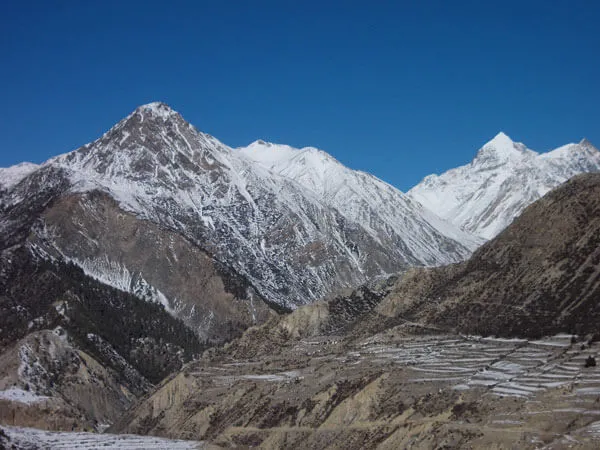
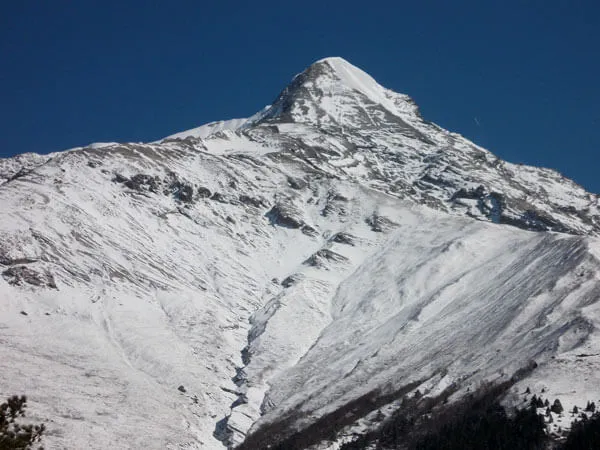
Ganesh Himal I (7,422m), Himalchuli (7,893m), and Sringi Himal (7,161m) frame the upper valley. The clearest views come between 6 am and 8 am, particularly from the ridgeline above Chhokang Paro and the approach trail to Mu Gompa. Cloud builds from the south by mid-morning on most days. After 10 am, the window usually closes.

Genuine Remoteness

Above Lokpa, your phone stops being useful. No mobile coverage, no ATMs, no Wi-Fi in the tea houses. For five to six days, the only thing demanding your attention is the trail ahead and the valley around you. You will pass no queues at viewpoints, no competition for tea house beds, and on some days no other trekking groups at all. That level of quiet is increasingly rare on Nepal's trail network. Tsum Valley still has it.

Route Overview

The Tsum Valley trek follows the Budhi Gandaki River from Machha Khola (890m) northeast through a deep gorge before branching into the restricted Tsum Valley at Lokpa (2,240m).

From Lokpa, the trail climbs through Chumling (2,386m) and Chhokang Paro (3,031m) to Nile (3,361m), the highest overnight point on this itinerary. On Day 8, an early-morning hike from the Nile reaches Mu Gompa before the return descent begins.

The return follows the same route south: Chumling, then Philim (1,570m), then back to Machha Khola. The valley trail is a there-and-back route, not a loop.

Key villages in order: Machha Khola (890m) → Jagat (1,340m) → Lokpa (2,240m) → Chumling (2,386m) → Chhokang Paro (3,031m) → Nile (3,361m).

The Budhi Gandaki gorge section between Machha Khola and Jagat is narrow and exposed in places. Expect suspension bridges, cliff-side trails, and occasional landslide debris to navigate around, particularly after the monsoon. This section is slower than the altitude gain suggests.

12-Day Tsum Valley Trek Cost for 2026/2027 

The base 12-day Tsum Valley trek package starts from USD 985 and goes up to USD 1,430 per person. Here is what sits behind that range:

  • Group vs. Private: A shared group departure splits the guide, transport, and logistics costs across multiple trekkers, which brings the per-person price down considerably. A private departure puts those same fixed costs entirely on your group. For solo travellers, joining a scheduled group is almost always the more practical choice financially and on trail.
  • Porter: A porter carries your main bag so you walk with a light daypack for twelve days. On the long descent from Nile to Chumling on Day 8, after an early morning hike to Mu Gompa, that decision will feel very clear. The rate is USD 20 per day, covering up to two trekkers.
  • Meals: The Madcap Adventure package includes breakfast, lunch, and dinner throughout the trek. Some operators advertise lower base prices with meals excluded. Above Chumling, your only option is the tea house in front of you, so that difference adds up faster than it looks on a comparison spreadsheet.
  • Room Type: Standard rooms are twin-share with shared bathrooms, particularly above Chumling where attached facilities do not exist. Some lower valley tea houses around Machha Khola and Jagat offer slightly better rooms at extra cost. Peak season fills those quickly, so flag your preference when you inquire.
  • Transport: The standard package covers a shared jeep from Kathmandu to Machha Khola and back, nine to ten hours each way on a road that deteriorates significantly past Arughat. A private jeep upgrade is available and adjusts the price. For groups of four or more, the cost difference between sharing and private often narrows considerably when split.
  • Season: October and November carry the highest package rates and the best conditions: clear skies, stable trails, and sharp Ganesh Himal views from the upper valley. March and April offer slightly lower rates with fewer trekkers. Off-season departures outside these windows come with meaningful trade-offs in weather, road conditions, and tea house availability above Chumling.

Tsum Valley Trek Itinerary

Starts
Kathmandu
Ends
Kathmandu
Day 1

Arrival in Kathmandu

You arrive in Kathmandu and transfer to your hotel by private vehicle. The evening covers three things: equipment check, permit paperwork, and a briefing with your guide. Your guide will walk through checkpoint procedures for the restricted area, cash requirements, and what to expect on the road the next morning.

Convert NPR or USD today if you have not already. The last reliable ATM before the trail is in Arughat or Gorkha on the drive out. Carry enough cash for your full time on the trail.

Mountain views: On a clear evening, you can sometimes see Langtang Himal (7,234m) and Ganesh Himal (7,422m) from the northern edge of Kathmandu.

Max Altitude: 1,400m (4,593ft)
Distance: 5.8km
Meals: Breakfast
Accommodation: Hotel
Mode of Transportation: Private tourist vehicle
Day 2

Drive Kathmandu to Machha Khola

A long day in a shared jeep via Arughat Bazar and Gorkha. The road is paved to Gorkha and deteriorates significantly after Arughat. After the monsoon, expect road damage, occasional diversions, and a slower pace than the distance suggests.

Leave Kathmandu by 6 am if possible. Arriving at Machha Khola in daylight gives you time to settle and eat properly before the trek begins.

Mountain views: Ganesh Himal (7,422m) comes into view on the final approach to Machha Khola on clear afternoons. Sringi Himal (7,161m) is visible to the north as the valley narrows.

Max Altitude: 890m (2,919ft)
Altitude Loss: 510m
Duration: 8-10 hours
Distance: Approx. 160 km/99 miles
Meals: Breakfast, Lunch and Dinner
Accommodation: Teahouse
Mode of Transportation: Private sharing Jeep
Day 3

Trek from Machha Khola to Jagat

The Budhi Gandaki Gorge opens on this day. The trail follows the river through a narrow canyon, crossing suspension bridges multiple times and hugging cliff-side paths cut into the rock. The terrain is more demanding than the 450m net altitude gain suggests. The gorge section is slow and requires attention underfoot.

You pass through Tatopani, known for its hot springs. If you can stop for 30 minutes and your guide agrees the timing works, it is worth it. The springs sit right on the trail.

Mountain views: The gorge walls limit wide views today. Ganesh Himal (7,422m) appears briefly above the tree line on the upper approach to Jagat on clear days.

Max Altitude: 1,340m (4,396ft)
Altitude Gain: 450m
Duration: 7-8 hours
Distance: Approx. 22km/13.7miles
Meals: Breakfast, Lunch and Dinner
Accommodation: Teahouse
Day 4

Trek from Jagat to Lokpa

Jagat is a checkpoint village. Your permits will be inspected here, so have all documents ready with your guide. This is also where you formally enter the Manaslu Conservation Area.

The trail from Jagat to Lokpa stays close to the Budhi Gandaki and is less exposed than yesterday's gorge section. Lokpa marks the junction where the trail splits: left toward the Manaslu Circuit, right into Tsum Valley. You go right.

Mountain views: Sringi Himal (7,161m) and the lower ridgelines of Ganesh Himal (7,422m) are visible from the trail above Lokpa on clear afternoons.

Max Altitude: 2,240m (7,349ft)
Altitude Gain: 900m
Duration: 6-7 hours
Distance: Approx. 16km/9.9miles
Meals: Breakfast, Lunch and Dinner
Accommodation: Teahouse
Day 5

Trek from Lokpa to Chumling

The Tsum Valley opens properly on this day. The trail climbs out of the gorge into a wider valley with terraced fields, mani walls, and the first clear sightlines toward Ganesh Himal. Chumling sits on a ridge at 2,386m and splits into two settlements: Lower Chumling and Upper Chumling. Your accommodation will be in one of them depending on availability and your guide's preference.

The people you meet from Chumling upward speak Tsum, a Tibetan dialect. Your guide will bridge that, but learning a few basic greetings before you go makes a difference.

Mountain views: Ganesh Himal I (7,422m) and Ganesh Himal IV (7,052m) are visible from the ridge above Chumling. The views are clearest between 6 am and 9 am before cloud moves in from the south.

Max Altitude: 2,386m (7,828ft)
Altitude Gain: 150m
Duration: 5-6 hours
Distance: Approx. 8.2 km/5.1 miles
Meals: Breakfast, Lunch and Dinner
Accommodation: Teahouse
Day 6

Trek from Chumling to Chhokang Paro

The valley narrows and steepens above Chumling. You pass Chhule and Gho villages, both small settlements with active monasteries. Stop at Rachen Gompa if the trail passes it: it is a nunnery with one of the most impressive wall mural collections in the valley. Your guide will know the current visiting situation.

At 3,030m, altitude starts to matter. Drink more water than you think you need from here. Some trekkers feel a mild headache by evening, which is normal at this elevation. Worsening headache overnight, nausea, or difficulty breathing is not normal. Tell your guide immediately if any of those develop.

Mountain views: The flat meadow above the village gives a direct sightline to Ganesh Himal (7,422m) and Sringi Himal (7,161m). Best light is between 6 am and 7 am before cloud lifts off the southern faces.

Max Altitude: 3,031m (9,944ft)
Altitude Gain: 645m
Duration: 5-6 hours
Distance: Approx. 10km/6miles
Meals: Breakfast, Lunch and Dinner
Accommodation: Teahouse
Day 7

Trek from Chhokang Paro to Nile

The Nile is the highest overnight point on this trek and one of the smallest settlements. The trail from Chhokang Paro continues up the valley through Rachen and on to the Nile. The altitude gain is gradual, but above 3,000m your body will notice.

Nile has very limited tea house options. Expect basic rooms, squat toilets, and cold or no running water. Your sleeping bag matters tonight. Temperatures drop sharply after sunset in October. In November, expect well below freezing by midnight.

Drink water, eat well, and go to sleep early. You are up before 6 am tomorrow.

Mountain views: Ganesh Himal (7,422m) and Himalchuli (7,893m) are visible from the Nile on clear evenings. The high ridgeline directly north of the village reflects sunset light well into dusk.

Max Altitude: 3,361m (11,026ft)
Altitude Gain: 330m
Duration: 5-6 hours
Distance: Approx. 11.5km/7.1miles
Meals: Breakfast, Lunch and Dinner
Accommodation: Teahouse
Day 8

Mu Gompa Morning Hike, Then Descend to Chumling

Leave for Mu Gompa before 6 am. The hike from the Nile takes 2 to 3 hours and reaches approximately 3,700m. Mu Gompa is the most significant monastery in the valley and houses a small community of monks. The morning light on Ganesh Himal from the approach path above the monastery gives some of the clearest views on the entire route.

Distance: Approx. 22 km / 13.7 miles (combined ascent to Mu Gompa and descent to Chumling) 

Elevation: Mu Gompa approx. 3,700m / 12,139ft. Overnight at 2,386m / 7,828ft 

Clouds typically build from the south by late morning and close the valley by noon. Leave at 6 am, and you reach the monastery in good light with time to walk the gompa grounds before starting the descent.

The descent from the Nile to Chumling is long. Dropping nearly 1,000m over 7 to 8 hours of total walking means your knees will feel it by evening. Trekking poles help on the lower sections.

Mountain views: Ganesh Himal (7,422m), Himalchuli (7,893m), and Peak 29 / Ngadi Chuli (7,871m) are all visible from the approach trail above Mu Gompa on clear mornings. This is the best mountain panorama of the entire trek.

Max Altitude: 3,700m (12,139ft)
Altitude Gain: 340m
Altitude Loss: 1315m
Duration: 7-8 hours
Distance: Approx. 18.5km /11.5 miles
Meals: Breakfast, Lunch and Dinner
Accommodation: Teahouse
Day 9

Trek from Chumling to Philim

The descent continues south through Lokpa and on to Philim. The trail covers familiar ground from the ascent but feels different heading down: the valley views open behind you and the terrain drops quickly. Philim is a larger village by Tsum Valley standards, with more tea house options and slightly better amenities than the upper valley.

Mountain views: Ganesh Himal (7,422m) and Sringi Himal (7,161m) remain visible to the north as you descend. Views are clearest in the morning before cloud builds behind you.

Max Altitude: 1,570m (5,150ft)
Altitude Loss: 816m
Duration: 6-7 hours
Distance: Approx. 17 km/10.6 miles
Meals: Breakfast, Lunch and Dinner
Accommodation: Teahouse
Day 10

Trek from Philim to Machha Khola

The final trekking day drops back through the gorge to Machha Khola. The gorge section requires the same attention underfoot as on the ascent. This is not a section to rush.

By the time you reach Machha Khola, your trekking days are done. The tea house meal tonight is worth sitting with. You are back at 890m, and the menu reflects it.

Mountain views: The gorge closes off wide mountain views on the descent. Ganesh Himal (7,422m) is visible for the last time above the valley rim on the morning departure from Philim before the trail drops into the canyon.

Max Altitude: 890m (2,919ft)
Altitude Loss: 680m
Duration: 6-7 hours
Distance: Approx. 20km/12.4miles
Meals: Breakfast, Lunch
Accommodation: Teahouse
Day 11

Drive from Machha Khola to Kathmandu

The return drive mirrors the outward journey via Arughat Bazar. Leave Machha Khola by 6 am, and you arrive in Kathmandu by late afternoon. A farewell dinner is included this evening.

Mountain views: Ganesh Himal (7,422m) and Manaslu (8,163m) are sometimes visible from the road above Arughat on clear mornings before the valley drops back into lower foothills.

Max Altitude: 1,400m (4,593ft)
Altitude Gain: 510m
Duration: 8-10 hours
Distance: Approx. 160km/99.4miles
Meals: Breakfast, Lunch and Dinner
Accommodation: Hotel
Mode of Transportation: Private sharing vehicle
Day 12

Final Departure

We will transfer you to Tribhuvan International Airport. Your vehicle will take you to the airport in the morning.

Max Altitude: 1,400m (4,593ft)
Duration: 20 minutes
Distance: 5.8km/3.6miles
Meals: Breakfast
Mode of Transportation: Private tourist vehicle

Itinerary Flexibility
This itinerary can be adjusted before departure: combine with the Manaslu Circuit or Langtang Valley Trek, or arrange an overnight at the Mu Gompa guesthouse. Tell Madcap Adventure your dates, fitness level, and preferences when you book.

Guide Decisions on Trail
The Budhi Gandaki gorge section can be affected by landslide debris, especially after monsoon, and weather can close the Mu Gompa viewpoint. Above 3,000m, altitude sickness is something your guide checks for daily. In these situations, your licensed guide can adjust the day's plan or arrange descent if needed. This is standard trail judgment, not a formality.

Are you still confused?
Curabitur at felis non libero suscipit fermentum

Route Map & Altitude Chart

Tsum Valley Trek
StartMid DaysEnd

Cost Details

What’s Included

Accommodation

  • Tea house accommodation for all nights on the trail on a twin-sharing basis
  • Two nights hotel accommodation in Kathmandu with breakfast included
  • All accommodation is pre-booked so you arrive at every stop with a bed confirmed

Meals

  • All meals on trek: breakfast, lunch, and dinner every day on trail
  • Four cups of tea or coffee per day throughout the trek
  • Fresh seasonal fruit daily where available in the valley
  • Welcome dinner on your first evening in Kathmandu
  • Farewell dinner on your final evening in Kathmandu

Guide

  • Government-licensed, English-speaking mountain guide for the full 12 days
  • Guide wages, meals, accommodation, insurance, and equipment fully covered
  • Guide trained in first aid and high-altitude emergency response
  • Guide carries emergency communication for the group above Lokpa, where mobile coverage ends

Permits and Documentation

  • Manaslu Restricted Area Permit (MRAP)
  • Manaslu Conservation Area Permit (MCAP)
  • Tsum Valley Restricted Area Permit
  • Chumnubri Rural Municipality Permit
  • All permit paperwork and checkpoint documentation handled by Madcap Adventure

Transport

  • Private vehicle airport pickup and drop-off in Kathmandu
  • Kathmandu to Machha Khola by jeep as per itinerary
  • Machha Khola to Kathmandu return transport as per itinerary
  • All ground transport included throughout the package

Safety and Emergency Support

  • Pulse oximeter carried by your guide for daily oxygen monitoring above 3,000m
  • Comprehensive medical first aid kit carried throughout the trek
  • Emergency helicopter evacuation arrangement handled by Madcap Adventure (costs covered by your travel insurance)
  • 24/7 support from Madcap Adventure Kathmandu office for the full duration of your trek
  • Regular altitude and health monitoring above 3,000m

Equipment and Extras

  • Sleeping bag and duffel bag loan if needed, complimentary and returned at trek end
  • Trekking map of the Tsum Valley route
  • Nepal SIM card pre-loaded with data on arrival in Kathmandu
  • Trek completion certificate on finishing the route
  • Pre-departure briefing covering route, altitude, checkpoints, and gear
  • All local taxes and company service charges

What’s Excluded

Flights and International Travel

  • International flights to and from Kathmandu
  • Nepal entry visa fees (available on arrival at Tribhuvan International Airport: USD 30 for 15 days, USD 50 for 30 days)
  • Airport departure tax, if applicable

Insurance

  • Personal travel and medical insurance. Your policy must specifically cover high-altitude trekking and emergency helicopter evacuation. This is non-negotiable for a restricted-area trek where road access ends at Machha Khola.
  • Helicopter evacuation costs, if required. Your insurance covers this. Confirm the altitude ceiling and evacuation terms before you depart.
  • Any medical treatment costs during or after the trek

Meals and Drinks

  • All meals in Kathmandu outside of the welcome and farewell dinners
  • Alcoholic drinks and soft drinks throughout the trek
  • Extra tea or coffee beyond the four cups included per day
  • Bottled water. Carry a reusable bottle and refill from boiled water at tea houses. Purification tablets as backup.
  • Snacks, energy bars, and chocolate on trail. Stock up in Kathmandu where prices are significantly lower than above Jagat.

Personal Expenses on Trail

  • Hot shower fees at tea houses where available (NPR 200 to 400 per shower above 2,500m)
  • Device charging fees (NPR 100 to 300 per device above 3,000m)
  • Laundry charges
  • Personal medical kit and any prescription medication, including Diamox
  • Personal trekking gear: boots, poles, down jacket, rain jacket, gloves, and head torch
  • Souvenirs and shopping in Kathmandu or on trail
  • Any extra hotel nights in Kathmandu due to early arrival, late departure, or flight delays
  • Any costs resulting from early trek exit, personal route changes, or itinerary adjustments

Porter

  • Porter service is not included in the standard package. A porter covering up to two trekkers can be arranged at USD 20 per day. Let us know when you send your inquiry, and we will factor it into your quote.

Tips and Gratuities

  • Guide tip: USD 20 to 30 per day is the standard range
  • Porter tip: USD 10 to 20 per day if a porter is part of your team

Your guide manages permits, checkpoints, altitude monitoring, emergency logistics, and cultural translation for 12 consecutive days in a restricted area with no mobile coverage. Tips are discretionary, but they make a direct and meaningful difference to the people doing that work.

Date & Availability

Select Departure Dates
Oct 2026
Nov 2026
Feb 2027
Mar 2027
Apr 2027
May 2027
Sep 2027
Oct 2027
Nov 2027
Start Date
Oct 09, 2026
End Date
Oct 20, 2026
Status
Guaranteed
Start Date
Oct 12, 2026
End Date
Oct 23, 2026
Status
Guaranteed
Start Date
Oct 16, 2026
End Date
Oct 27, 2026
Status
Guaranteed
Start Date
Oct 19, 2026
End Date
Oct 30, 2026
Status
Guaranteed
Start Date
Oct 23, 2026
End Date
Nov 03, 2026
Status
Guaranteed
Start Date
Oct 26, 2026
End Date
Nov 06, 2026
Status
Guaranteed
Start Date
Oct 30, 2026
End Date
Nov 10, 2026
Status
Guaranteed

Group departures need a minimum of 2 trekkers to run as scheduled. Solo trekkers can join as a private departure at an adjusted rate. Maximum group size is 12. A 20% deposit secures your seat and locks in the quoted price, with no increases after booking. Full balance is due before departure. Prefer a different date? Madcap Adventure arranges custom departures year-round.

Add-Ons & Options

Porter
A porter covering up to two trekkers can be arranged at USD 20 per day.
US$200
per 1

Equipment List

The weather in the Himalayas changes quickly, so we need to pack the right equipment. A proper packing list will make the trip more comfortable. Packing unnecessary trekking equipment will also increase your budget.

You will need the best layers of warm clothing during the trek. We provide a duffel bag to pack your trekking equipment. You will get it during the pre-trip meeting at our office. If you need any equipment (Sleeping bag (-10, Down Jacket, and more), you can rent it from Kathmandu at an extra cost. A sleeping bag costs USD 50, and a down jacket costs USD 40 to use in the mountains. We arrange all gear and logistics in Kathmandu prior to departure, we cannot provide additional equipment once we are out on the trekking route. Here is the essential equipment checklist for the Tsum Valley Trek.

Upper Body Layers
  • 1 Puffy with Hooded Down Jacket (Super important in the mountains)
  • Hand warmers
  • 2-3 Merino Base Layer Shirts
  • 1-2 Merino base layer T-shirts
  • 1 Medium Layer Fleece
  • 1 Windproof/ Waterproof shell Jacket
  • 2 pairs of gloves (1 thicker/ windproof and 1 thinner)
  • 1 set of Merino Base Layer Thermal (sleeping outfit for night)
  • Sports bras (for Women)
Lower Body Layers
  • 2 pairs of hiking pants
  • Comfy and quick-drying pants to use in the teahouse
  • Windproof/ Waterproof shell pants
  • Quick-dry hiking shorts
  • 3-4 quick-drying underwear
  • Thermal fleece Leggings
Footwear & Accessories
  • Woolen or merino base-layer warm socks
  • 1-2 pairs of cozy socks
  • 4 pairs of merino base-layer socks
  • Solid hiking/trekking boots (Waterproof and ankle support)
  • 1 set of ice cleats
  • 1 set of Gaiters
  • Plush slippers to use inside the teahouse.
Head & Sun Protection
  • Sun hat or baseball cap
  • Warm earflap hat/ Beanie
  • Scarf/Buff or neck gaiter (1 normal merino wool buff and 1 thicker buff)
  • Sunglasses
  • Headlamp
Personal & Medical Kits
  • Personal Daypack with rain cover (35-45 L recommended)
  • Personal kit bag (your medicines are highly recommended)
  • Lip balm with SPF
  • Sunscreen
  • Toothpaste
  • Ointment
  • Earplugs
  • Blister plasters and regular bandages
  • Antiseptic Cream
  • 1 plastic bag for dirty clothes
  • Enough Cash (recommend Nepali rupees)
Travel Documents
  • Valid Passport
  • Travel Insurance
  • Passport-size photographs
  • Extra copies of the visa
  • International airfare from/to Nepal
Miscellaneous
  • Trekking poles
  • Hot water bag (It keeps you warm while sleeping at a tea house on the mountain
  • Water purification tablets
  • Biodegradable soap/Toothpaste
  • Towel/Pillowcase
  • Wet wipes/Tissues/Toilet paper
  • Toiletry kits
  • High-energy protein bar and electrolyte Sachets
  • Small waterproof dry bag (to carry important documents and cash)
  • Power bank, Travel adapter, and extra batteries
  • Gadgets (Phone and camera)
  • Book/cards
  • Water bottles
  • Urine bottle
  • Whistle
  • Extra heavy Thermos (for hot water)

Essential Information

How Hard Is the 12-Day Tsum Valley Trek in Nepal?

This 12-day Tsum Valley trek will not push you to your physical limit the way Everest Base Camp or Manaslu Circuit does. What it asks instead is consistency. You walk six to eight hours most days, often on uneven gorge trails and stone paths that demand attention underfoot rather than raw fitness. The Budhi Gandaki gorge section between Machha Khola and Jagat is the most technically demanding stretch, not because of altitude but because the trail hugs cliff edges and crosses suspension bridges repeatedly over two days.

  • Trek distance: Approximately 141 km on trail 
  • Daily walking: 5 to 8 hours depending on the stage 
  • Terrain: River gorge paths, narrow cliff-side trails, terraced valley walking, open ridge paths above Chumling 
  • Tourist Infrastructure: Functional in the lower valley, genuinely basic above Chumling

The upper valley above Chumling is where the trek becomes a different experience. Tea house menus narrow, shared squat toilets replace attached bathrooms, and charging your phone becomes a negotiation rather than a given. If that sounds manageable, you are ready for this trek.

Solo Trekking is now permitted in Tsum Valley Trek 

The Nepal government removed the two-person minimum for the Manaslu restricted area in 2023. You can now enter Tsum Valley as a solo trekker. What has not changed is the guide requirement. A licensed Nepal Government guide is legally mandatory at every checkpoint in the restricted area. Attempting to enter without one is a permit violation, not a grey area.

If you are travelling alone and want to join a group departure to share costs, contact Madcap Adventure. Group departures run throughout the main trekking seasons, and the cost difference is significant on a per-person basis.

Altitude and AMS on the Tsum Valley Trek

The highest overnight point on this route is Nile at 3,361m. On Day 8, you hike up to Mu Gompa at approximately 3,700m before descending back to Chumling at 2,386m. That single day applies the climb-high, sleep-low principle that makes altitude gain safer without adding a dedicated rest day.

Below 3,000m, most trekkers feel nothing. Above it, your body starts to notice. A mild headache on arrival at Chhokang Paro or Nile is common and usually resolves with water and rest. What you do not ignore is a headache that worsens overnight, nausea that stops you eating, or breathlessness while sitting still. Those are signals to descend, not push through.

Your guide makes the call if you cannot. That authority is non-negotiable on a route where helicopter access is weather-dependent, and the nearest road is two days below you.

Travel Insurance

Helicopter evacuation from the upper Tsum Valley is not a quick operation. Weather closes the valley regularly, access is limited, and costs without insurance run USD 3,000 to 6,000 or more depending on extraction point. A standard travel policy will not cover this.

Before you book, check three things in your policy: the altitude ceiling, whether helicopter evacuation is explicitly included, and whether the policy covers trekking in a restricted area. If any of those are unclear, call your insurer directly. Do not assume.

Madcap Adventure requires proof of valid insurance before departure confirmation.

Permits for the Tsum Valley Trek in 2026/2027

Four permits are required for this Tsum Valley trekking route in Nepal. All are handled by Madcap Adventure as part of the package.

Permit Foreign Nationals SAARC Nationals
Manaslu Restricted Area Permit (Sept to Nov) USD 100 for the first 7 days, USD 15 per extra day Same rate
Manaslu Restricted Area Permit (Dec to Aug) USD 75 for the first 7 days, USD 10 per extra day Same rate
Manaslu Conservation Area Permit (MCAP) USD 30 per person for the whole season USD 8 per person for the whole season
Tsum Valley Restricted Area Permit (Sept to Nov) USD 40 for the first 7 days, USD 7 per extra day Same rate
Tsum Valley Restricted Area Permit (Dec to Aug)  USD 30 for the first 7 days, USD 7 per extra day USD 8 per person for the whole season
Chumnubri Rural Municipality Permit USD 8 per person for the whole season USD 8 per person for the whole season

When is the best time for a 12-day Tsum Valley Trek in Nepal?

October and November are the most reliable months for this 12-day Tsum Valley Trek in Nepal. The sky stays clear, the trails are dry, and Ganesh Himal is visible from the upper valley on most mornings. March to May works well too, with warmer days on the gorge trail and less dust on the road to Machha Khola.

Avoid June to September. The monsoon brings heavy rain, leeches on the lower trail, and road damage on the Arughat stretch that can turn a 9-hour drive into something significantly longer. January and February are cold enough that tea houses in the upper valley sometimes close. If you are travelling outside the main windows, confirm current conditions with Madcap Adventure before booking.

Solo Trekking on the Manaslu Tsum Valley Trek

Solo trekking on the Manaslu Tsum Valley Trek is now permitted. The two-person minimum requirement for the Manaslu Restricted Area Permit was removed in 2023, meaning you can book and trek as a solo trekker without joining a group. A Nepal Government-licensed guide remains legally required at all checkpoints throughout both the Tsum Valley and Manaslu Circuit sections. Solo trekkers pay a single supplement on the package price as guide and logistics costs do not divide across a second person. Contact Madcap Adventure for the current solo rate.

Food and Tea Houses on Tsum Valley Trail

Every night on this trek is in a tea house. You will not need a tent. The lower valley from Machha Khola to Jagat has reasonable options with functional rooms and basic attached bathrooms at some stops. Above Chumling, shared facilities are the norm, and you adjust accordingly.

Dal bhat is the most practical choice at every elevation: rice, lentil soup, vegetable curry, and unlimited refills at most stops. It is hot, filling, and available everywhere. Above Chumling, the menu shrinks to a handful of options. Order what is on the board rather than what you feel like eating.

For personal extras such as hot showers, device charging, and additional drinks, budget NPR 500 to 800 per day above 2,500m. Buy snacks, energy bars, and rehydration sachets in Kathmandu. Selection above Jagat is limited, and prices reflect the distance everything has to travel.

Here is the full section rewritten from scratch:

How to Prepare for the 12-Day Tsum Valley Trek in Nepal?

Fitness

Start building your daily walking capacity at least six to eight weeks before departure. Focus on uphill walking with a loaded daypack, stair climbing, and back-to-back walking days to simulate trail fatigue. Your legs need to handle six to eight hours of uneven terrain repeatedly, not just once.

Medical Checkup

Visit your doctor four to six weeks before departure. Get a general fitness assessment and discuss altitude sickness prevention, including whether Diamox is appropriate for you based on your health history. If you have a history of heart, lung, or blood pressure conditions, get clearance specifically for trekking above 3,000m. Carry a basic first aid kit including blister treatment, rehydration sachets, and any prescription medication you take regularly.

Cash

Withdraw enough NPR in Kathmandu or on the drive through Arughat and Gorkha to cover your full time on trail. These are the last reliable ATMs before the trek begins. Past Jagat, there are no cash facilities of any kind. Tea house bills, charging fees, hot showers, and any personal extras all require NPR. USD is not accepted at trail stops.

Connectivity

Your phone becomes unreliable above Lokpa and stops working altogether in the upper valley. The Nepal SIM card included with your Madcap Adventure package covers Kathmandu and the road journey to Machha Khola. Above Lokpa, your guide carries the only emergency communication device for the group. Let family or friends know you will be offline for five to six days before you leave Kathmandu.

Charging

Power access above 3,000m is inconsistent. Some tea houses offer device charging for NPR 100 to 300 per device, but it is not guaranteed at every stop. Bring a fully charged power bank from Kathmandu and charge it whenever you have the opportunity in the lower valley. Do not count on solar charging panels at higher tea houses, particularly in November when daylight hours shorten.

Gear

The upper valley gets cold fast after sunset, particularly at Nile (3,361m) in October and November. A sleeping bag rated to -10°C is not optional. Trekking poles take significant load off your knees on the long descent from Nile to Chumling on Day 8. Waterproof boots with ankle support handle the gorge trail and wet river crossings in the lower valley. Pack a head torch with spare batteries: tea house common areas go dark early and the trail to Mu Gompa on Day 8 starts before sunrise.

Early Bird Pricing for 12-day Tsum Valley Trek 2026/2027

Booking your Tsum Valley Trek ahead of time does more than secure your dates. It brings the cost down, locks your price against any permit or service increases, and gives you more time to prepare properly for a restricted-area trek that requires more logistical lead time than most Nepal routes. Here is what Madcap Adventure offers trekkers who plan:

  • Book 6 or more months before departure and save up to 15% on the standard package price
  • Book 3 to 6 months before departure and save up to 10% on the standard package price
  • Groups of four or more receive an additional group discount on top of any early bird rate. Contact Madcap Adventure for the exact figure.
  • 2027 pre-booking offer: secure your 2027 Tsum Valley Trek at 2026 rates by booking before December 31, 2026. A 20% deposit confirms your departure dates.
  • Option to arrange a private group departure with your own guide, porter, and itinerary pace
  • Price lock guarantee: once your deposit is paid, your package price does not change regardless of permit fee increases or seasonal adjustments
  • Send your dates and group size to receive a full quote within 24 hours.

Cancellation and Refund Policy of Madcap Adventure

Plans change. The policy below is designed to be clear before you book, not after something goes wrong.

  • Full refund: Cancel 60 or more days before your departure date and receive a complete refund, no conditions attached.
  • Partial refund: Cancel 30 to 59 days before departure and receive 50% back. By this point, permits have been applied for, guide assignments confirmed, and transport reserved. The remaining 50% covers those committed costs.
  • No refund: Cancellations under 30 days before departure or mid-trek exits do not qualify for a refund. Unused trek days cannot be recovered once the itinerary is underway.
  • Substitute trekker: If you cannot travel and notify Madcap Adventure within the 30-day window, you can send someone in your place at no rebooking fee. The substitute must meet the same health requirements and qualify for the restricted area permits.
  • Early descent: If you need to leave the trail early due to altitude sickness, injury, or personal reasons, your guide handles the logistics immediately. Unused days from that point are not refunded. This is the exact scenario your travel insurance trip interruption cover is for.
  • Date change: Shifting to a different departure within the same season carries no change fee if you notify Madcap Adventure 45 or more days before your original date.
  • Force majeure: If the trek is cancelled due to natural disaster, government restriction, trail closure, or circumstances outside anyone's control, Madcap Adventure will offer a full credit toward a future departure or a refund minus costs already committed to suppliers.
  • Deposit credit: If you cancel within 30 days and do not qualify for a refund, your deposit converts to credit valid for 12 months against any Madcap Adventure trek.

How to Book the 12-Day Tsum Valley Trek with Madcap Adventure

Tsum Valley is a restricted area trek. Permits take time to process, and peak season dates fill earlier than most Nepal routes. Starting the conversation sooner gives you better options on departure dates and smoother logistics on our end.

  • Tell us when you want to go. Send your preferred dates and group size through the inquiry form or on WhatsApp. You do not need everything figured out at this stage.
  • Get a clear quote within 24 hours. We send a full cost breakdown covering permits, guide, transport, accommodation, and meals. No vague estimates, no hidden additions.
  • Get your questions answered. Ask about your guide's experience on this specific route, what the permit process looks like, or how the itinerary handles altitude. We want you to know exactly what you are signing up for before you commit.
  • Secure your dates with a 20% deposit. Your deposit fixes your departure date and your package price. It also starts the restricted area permit application, which needs lead time, especially between September and November.
  • We take it from there. Permits, logistics, guide assignment, and pre-trek briefing are all handled by Madcap Adventure. Your focus between now and departure is fitness, gear, and insurance.

If you are weighing up a few operators before deciding, that makes sense for a trek at this level. Take the time you need. When you are ready, we are straightforward to reach and quick to respond.

12
Days
  • 1 paxUS$1430
  • 2 - 3 paxUS$1195
  • 4 - 7 paxUS$1015
  • 8 - 12 paxUS$985

Tsum Valley Trek FAQs

General
What is the difference between Tsum Valley Trek and Manaslu Circuit Trek?

Manaslu Circuit is 14 days, crosses a 5,106m pass, and circles the entire massif. Tsum Valley is 12 days, reaches 3,361m, and focuses on cultural immersion over high-altitude challenges.

Can I combine the Tsum Valley Trek with another Nepal trek?

Yes. Tsum Valley pairs well with the Manaslu Circuit or Langtang Valley Trek. Contact Madcap Adventure for combined itinerary pricing.

Are there any cultural rules I should follow in Tsum Valley?

Remove shoes at monasteries, do not photograph without permission, dress modestly, and walk clockwise around mani walls and chortens.

How do I book the 12-day Tsum Valley Trek with Madcap Adventure?

Send your dates and group size, receive a quote within 24 hours, and confirm your booking with a 20% deposit.

You May Also Like

Manaslu Circuit Trek
Grade
Moderate (Grade B)

Manaslu Circuit Trek

Duration: 14 Days
Mount Manaslu
Grade
Moderate (Grade B)

Short Manaslu Circuit Trek

Duration: 7 Days
Manaslu Tsum Valley Trek
Grade
Strenuous (Grade c)

Manaslu Tsum Valley Trek

Duration: 20 Days
Need Help? Call Us+977 9851026859
Tsum Valley Trek 12 Days 2027 | Package, Cost and Permits